Complexity exposes the quality of our conversations. When pressure rises, people often become more certain, more guarded and more attached to being right. Yet paradoxically, this is precisely the moment when organisations most need openness, reflection and genuine dialogue.
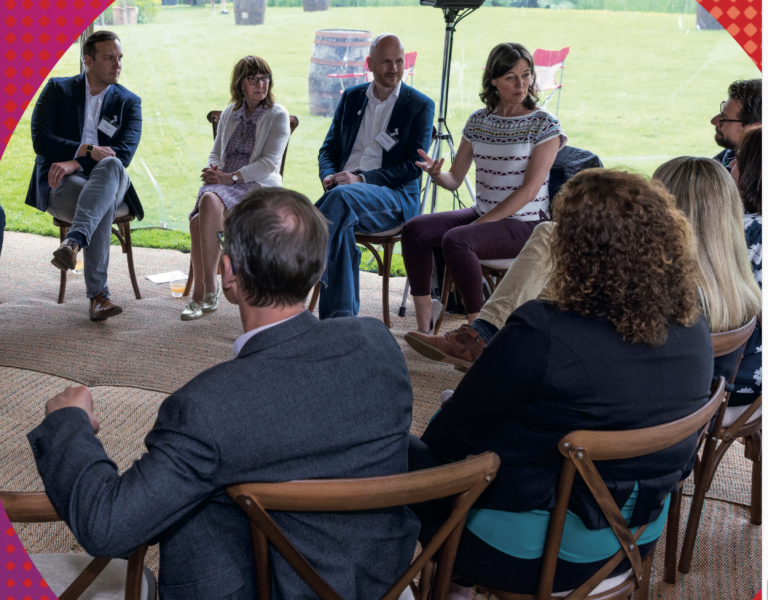
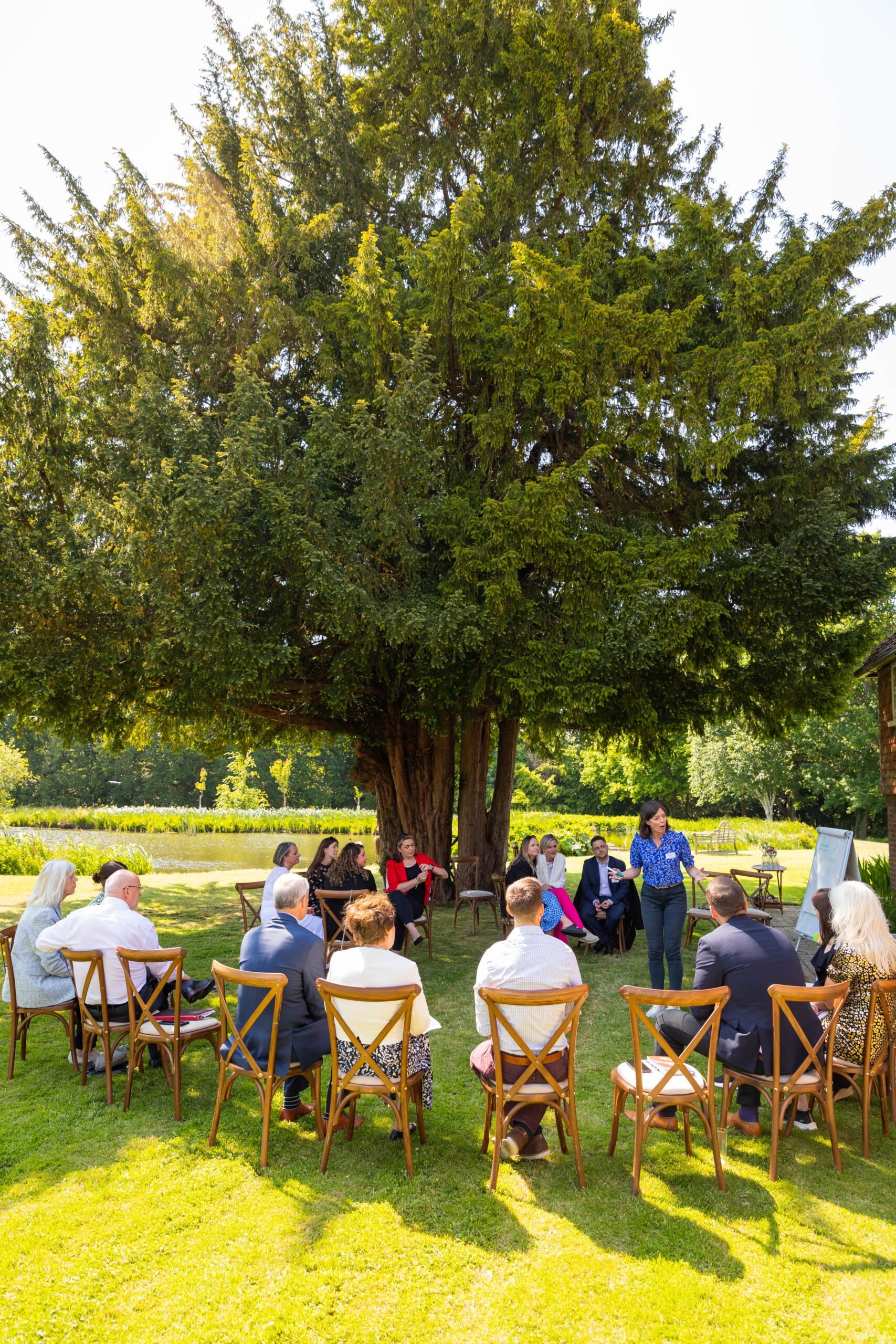
In a recent session I co-led with Dr Claus Springborg on conflict and productive dialogue, we explored a simple but powerful equation: conflict = difference x tension. Difference itself is not the problem. In fact, rich debate and divergent perspectives are essential for innovation and wise decision-making. The challenge comes when tension builds and difference becomes threatening rather than generative.
As Margaret Heffernan writes, “rich debate and argument are critical activities in any organisation because, done well, they surface fears and doubts and they reveal ideas.” Healthy conflict can strengthen collective intelligence. Unhealthy conflict narrows it.
The cost of defensive interaction is high. Teams become fragmented. Decision-making deteriorates. People retreat into silos, rigid positions or quiet disengagement. Meetings become performative rather than productive. Yet I’ve also seen the opposite: moments where people slow down enough to listen differently, where assumptions soften and where genuine understanding begins to emerge. Those moments create movement.
The good news is that dialogue is not a mysterious talent possessed by a gifted few. It can be cultivated through practical disciplines. Below are three tools that can help leaders and teams move from defensiveness to dialogue.
1. Engage in self-listening
One of the biggest mistakes leaders make during conflict is focusing exclusively on the other person. The starting point is actually much closer to home.
When tension rises, notice your own internal reaction first. Where have you contracted? Is your breathing shallow? Have your shoulders tightened? Are you mentally rehearsing a rebuttal rather than listening?
In conflict, our nervous systems often interpret disagreement as danger. We become reactive and lose access to curiosity and perspective. Self-listening helps interrupt that automatic pattern.
I sometimes encourage leaders to create what psychologists call a “psychological ledge” — a small moment of inner steadiness. It may sound like: “This is uncomfortable. I didn’t want this to happen. But it is happening. So what now?”
That pause matters. It allows us to respond rather than react.
Simple practices help:
- Breathe more deeply
- Slow your speaking pace
- Sit up a little straighter in your chair
- Notice when your tone sharpens
- Use appropriate humour to release static
- Remind yourself that disagreement is survivable
A senior leader I worked with once said to me after a difficult board exchange: “I realised I was trying to win the conversation rather than understand what was happening in the room.” That insight changed the quality of his leadership.
Presence is contagious. When one person becomes more grounded, others often begin to settle too.
2. Make positive intention visible
During conflict, people often fixate on the negative impact of others while overlooking the positive intention underneath their behaviour.
Yet most people are not trying to damage the organisation. They are usually trying to protect something they care deeply about: quality, fairness, speed, innovation, accountability, inclusion or stability.
One practical intervention is to make these positive intentions visible.
For example:
“I imagine your concern is making sure we don’t move too quickly and create unnecessary risk.”
“It sounds like you’re trying to protect the wellbeing of the team.”
“I can hear how important transparency is for you.”
This does not mean agreeing with everything someone says. Nor does it ignore the unintended consequences of their actions. But it changes the emotional atmosphere of the conversation. People become less defensive when they feel seen accurately.
In one board-level dialogue I facilitated, tension surfaced around trust. Non-executive directors wanted more information so they could challenge effectively. Executives felt overwhelmed by operational scrutiny and wanted the board to stay at a more strategic level. Initially, both sides interpreted the other negatively.
But when we slowed down and explored the positive intention underneath each position, something important became visible. Both groups cared deeply about organisational performance. They simply held different models of what effective governance looked like.
The shift was subtle but profound. The conversation moved from accusation to inquiry.
A useful question here is:
What is at risk if we do not resolve this well?
That question often reconnects people to a larger shared purpose.
3. Have a “cross-model conversation”
This may be the most transformative tool of all. David Kantor, author of Reading the Room, coined the term and I’ve used the concept ever since I first learnt about it.
Much organisational conflict is not really about personalities or turf wars. It is about “model clash” — competing ways of understanding reality.
Each of us operates from a mental model: a theory about how change happens, what good leadership looks like, how decisions should be made or what success means. Problems arise when we mistake our model for objective truth.
One powerful practice is to explicitly acknowledge this.
Instead of saying:
“You’re wrong.”
Try:
“In my model…”
“In my way of thinking…”
“From where I sit…”
This small linguistic shift reduces certainty and increases dialogue.
It also allows people to become curious about difference rather than threatened by it.
In the board example above, the breakthrough came when participants recognised they were working from different models of trust. For some, trust meant transparency and detailed challenge. For others, trust meant confidence in delegated authority and avoiding unnecessary operational interference. Neither side was entirely wrong. They simply held different assumptions.
Cross-model conversations invite people to:
- Surface assumptions
- Explore blind spots
- See tension as creative rather than destructive
- Treat difference as a source of learning
Importantly, they also help teams avoid false consensus. As General George Patton famously observed: “When everyone is thinking alike, then someone isn’t thinking.”
In uncertain times, organisations do not need leaders who always have the answer. They need leaders who can hold complexity without collapsing into defensiveness, rigidity or chaos. They need leaders who can create the conditions for collective intelligence to emerge.
Dialogue does not remove tension. But it transforms what tension can become.
Instead of fragmentation, there can be connection.
Instead of guardedness, openness.
Instead of reactivity, reflection.
Instead of stuckness, movement.
And perhaps that is one of the deepest tasks of leadership today: not simply driving performance but creating the conversational conditions where people can think — and move forward — together.